
The Best Hummingbird Feeders
After years of running multiple feeders in my yard and trying many different styles, I've settled on a clear favorite: the First Nature hummingbird feeder.
Here's why.
What I Look For in a Feeder
Before I get into the recommendation, it's worth knowing what matters. In my experience, the most important qualities in a hummingbird feeder are:
- Easy to clean — this matters more than anything else. Dirty feeders can kill hummingbirds (I wrote more about this in Neglected Feeders Kill Hummingbirds). If cleaning is a hassle, you'll do it less often.
- Easy to fill — same logic. A complicated feeder is a feeder you'll neglect.
- Affordable enough to replace — plastic feeders don't last forever. Cheaper is fine as long as it's easy to maintain.
The First Nature Feeder
The First Nature feeder wins on all three counts. It's gravity-fed with a shallow reservoir — you simply unscrew the top clear reservoir and the two halves of the bottom assembly, scrub them clean with hot water using toothbrushes and pipe cleaners, and reassemble. The whole process takes about two minutes.
What I like:
- Comes apart completely — no hard-to-reach corners where mold can hide
- Wide mouth makes cleaning and filling easy
- Multiple feeding ports accommodate several birds at once
- Inexpensive enough that replacing it isn't a big deal if it breaks or wears out
The downsides:
- The clear plastic reservoir is thin and can crack easily if you grab and squeeze it too hard while unscrewing it. Instead, grip from the thicker top red plastic when unscrewing.
- The longer oblong port design can allow bees and wasps to access the nectar. We have very few bees and wasps in our backyard garden, so it hasn't been an issue for us. You may want to look for a similar design with more rounded tubular ports that can accommodate bee/wasp guards if bees and wasps are a problem.
I own six of these feeders and keep anywhere from 3 to all 6 of them out in our backyard garden at once, spaced well apart to reduce territorial disputes between birds.
Feeder Placement Matters as Much as the Feeder
Even the best feeder won't attract birds if it's in the wrong location. A few things that make a real difference:
- Partial shade — nectar ferments faster in direct sun, and bees are more active in sunny spots
- Near a perch — hummingbirds like to watch over their territory; a nearby branch or wire makes your feeder more appealing
- Multiple feeders spread apart — Hummingbirds are extremely territorial. If one bird is chasing all the others away, add a second feeder around a corner or out of line of sight
Feeder Accessories Worth Buying
A few add-ons that I recommend alongside any feeder:
Ant moats — Water-filled barriers that hang above the feeder and block ants. Essential if you have ant problems.
Hanging brackets or shepherd hooks — I use the hanging brackets above our kitchen window and on the corner of our house, and then both short and tall shepherd hooks in various locations in our backyard garden.
Anti-Collision Window Decals — Since we have feeders hanging in front of a large kitchen window, as well as on the corner of our house close to the backyard door, we use these static-clean UV decals on the glass to keep the hummingbirds from flying into the windows.
Bee Guards — If bees/wasps are a problem in your yard, find the right bee guards to fit your feeder.
Protective Baffle — A more recent addition to two of my feeders that get heavy sunlight from mid-morning to mid-afternoon. Provides some shade so the nectar doesn't go bad as quickly. These are nice looking, red metal protective baffles/domes that you put above the feeders. Gives protection from rain and sun, and can also help if you have problems with squirrels.
For more on all of these, see 7 Hummingbird Feeder Accessories You Actually Need.
Nectar: Just Sugar and Water
Don't buy pre-made nectar, and never use red dye in the nectar. The recipe is simple and inexpensive:
- 1 part white granulated sugar
- 4 parts water
Stir until the sugar dissolves completely. That's it. I use C&H Pure Cane Sugar — nothing special about that brand, just a reliable white granulated sugar.
No red dye, no honey, no artificial sweeteners. Hummingbirds don't need the color to find the feeder (the feeder itself is usually red), and anything other than plain white sugar can be harmful.
I use filtered water from our fridge. I boil filtered water in a tea kettle, and pour two cups into a stainless steel sauce pan. Then I add a cup of sugar and stir until the sugar dissolves completely. I then add two more cups of cold filtered water and stir some more. If you don't have good filtered water, you can boil all the water first, then add and dissolve the sugar, and let it cool down before pouring it in the feeders. One batch will fill three of these feeders. You can store extra in the fridge for 1 to 2 weeks.
What About Glass Feeders?
Glass feeders look attractive and last longer than plastic, but in practice I find them harder to clean thoroughly and more fragile. If one gets knocked off a hook (which happens), a glass feeder is done. A plastic feeder costs less than $10 — if one breaks (hasn't happened yet), I just get another.
That said, if you prefer glass and are willing to put in the cleaning effort, any feeder with a wide-mouth opening that fully disassembles is fine. The design matters more than the material.
What to avoid
I have had several companies send me their feeders for testing, and many of them end up in the garbage as they simply weren't practical to use or clean, even if they looked nice.
- Narrow reservoir opening — Many of the glass designs have a very narrow opening at the base of the reservoir, and then the upper part of the reservoir is very wide. It's nearly impossible to get a brush inside these to clean them thoroughly.
- Attached Flowers — It seems like the attached flowers would be good as a bee/wasp guard, but if they can't be removed so you can clean underneath them and inside the port, you should avoid them. Metal flowers are even worse as they can rust easily.
Honorable Mentions
My birds seem to prefer the cheap and easy-to-clean First Nature Hummingbird Feeders. But there are several others that I've tried and have kept.
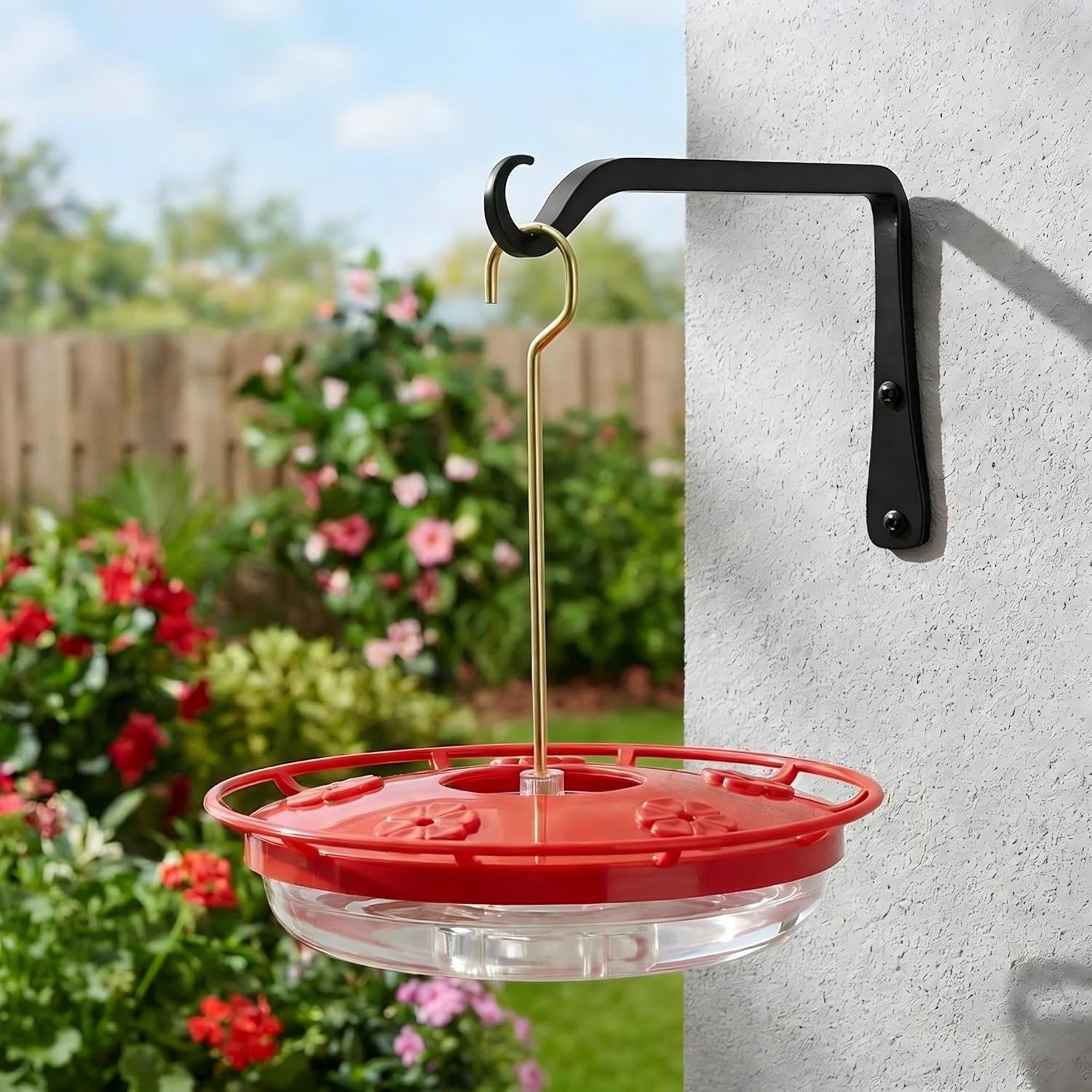
Many people prefer these over the gravity-fed designs. They are less likely to leak and are also easy to clean. If you have problems with bees or wasps, these can be a better choice as it's more challenging for bees to reach the liquid. I own one of these, but rarely use it. I think my hummingbirds are more used to the gravity-fed feeders, and stop drinking from the bowl type once the nectar gets down to about half full.
View on Amazon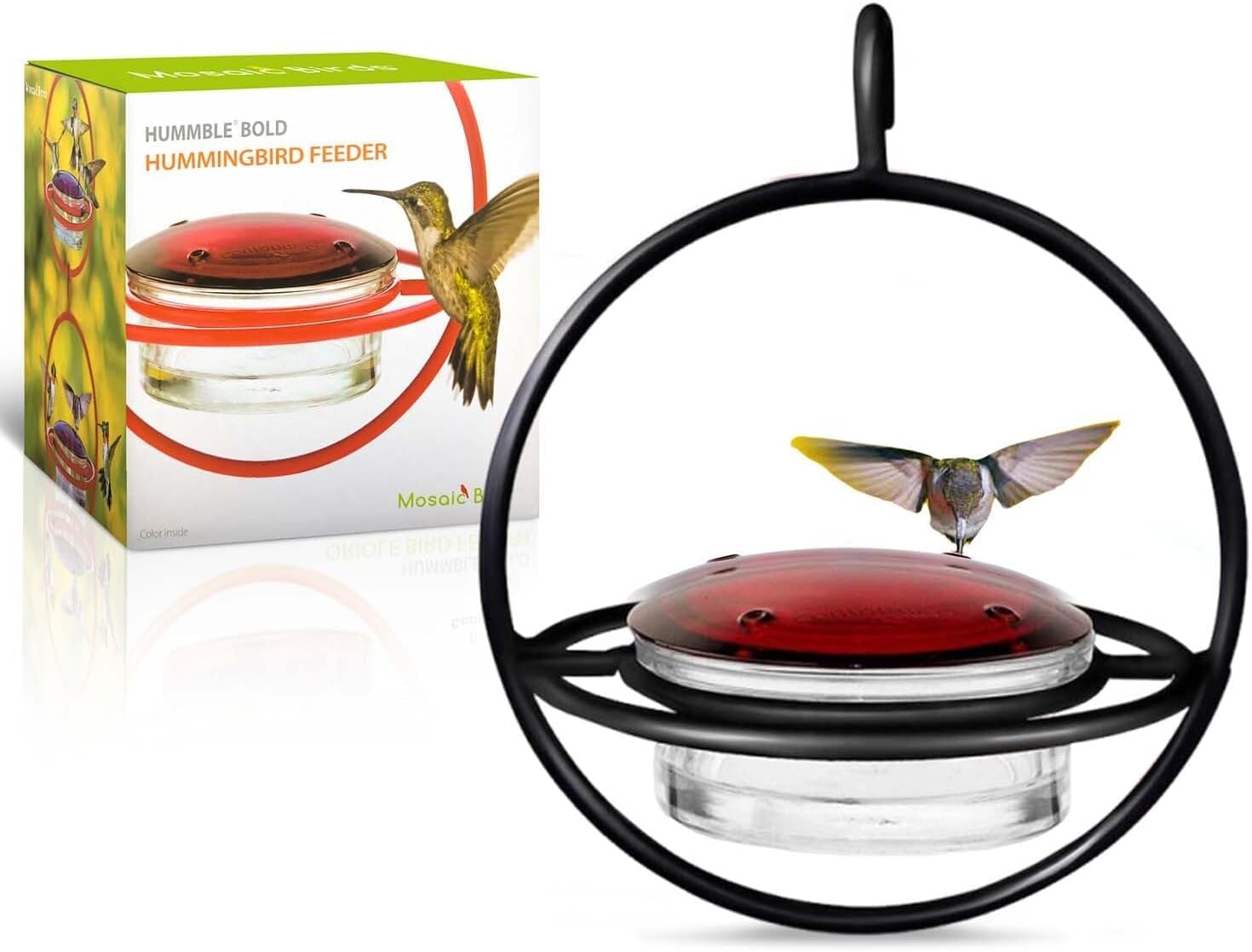
Mosaic Birds Hummingbird Feeder
If you want a more stylish and modern looking glass bowl feeder, I really like this design. It's a small feeder with a unique circular hanging frame/holder. I usually only put it out for photos and videos since there are no perches and the hummingbirds have to hover to feed from it.
View on Amazon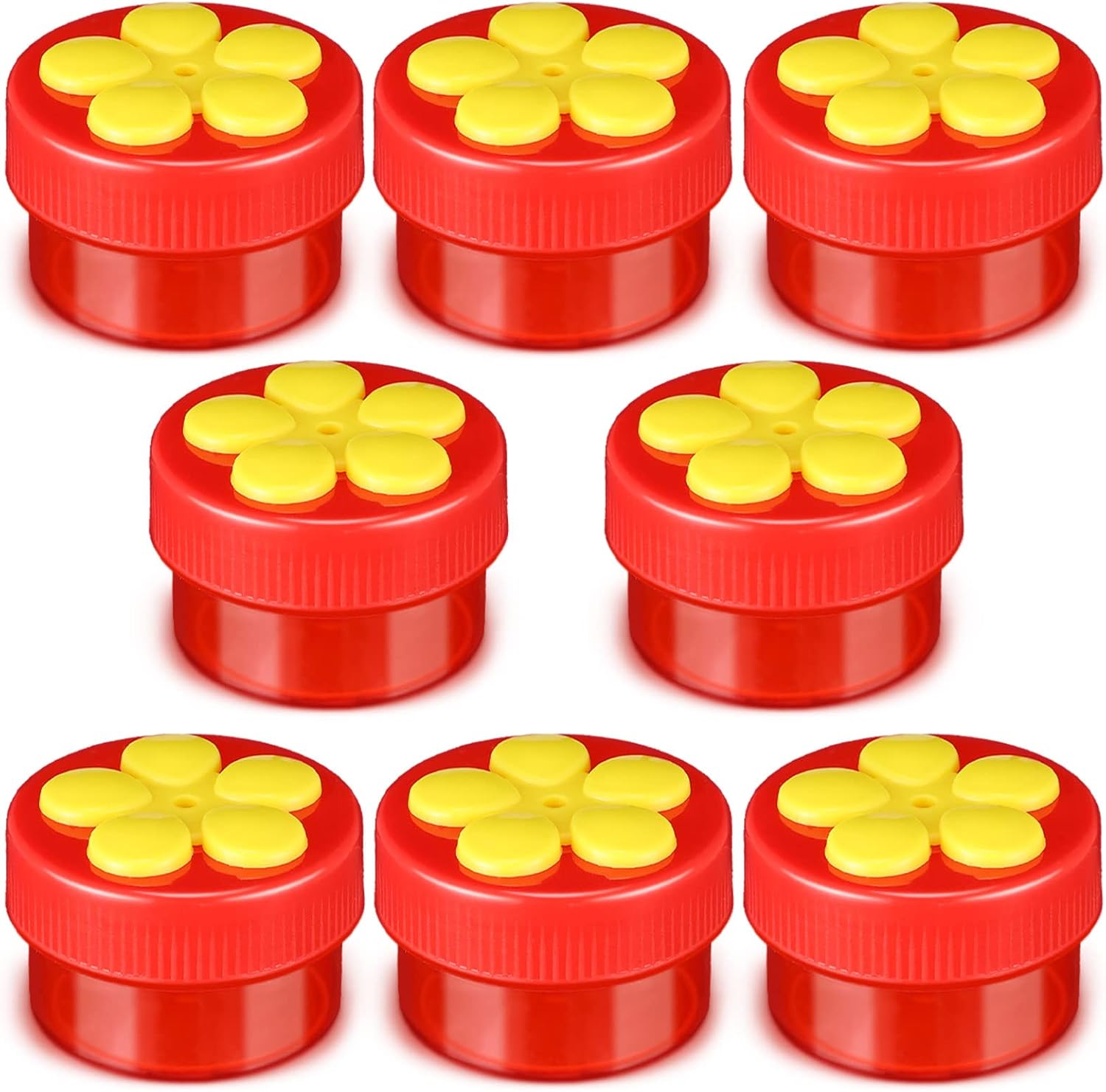
Nothing beats the feeling of having a hummingbird perched on your finger and drinking from your hand! We have some handheld hummingbird feeders, similar to these (no longer on Amazon), and they work great on those occasions when you want to hand feed the hummingbirds. Note that you need to spend a lot of time outdoors with your hummingbirds feeding close by, so that they can get comfortable with you. Then you will probably need to take down your other feeders before they will come feed from your hand.
View on Amazon